Silicone Bear & Penguin Baby Bath Toys (3-Piece Set)
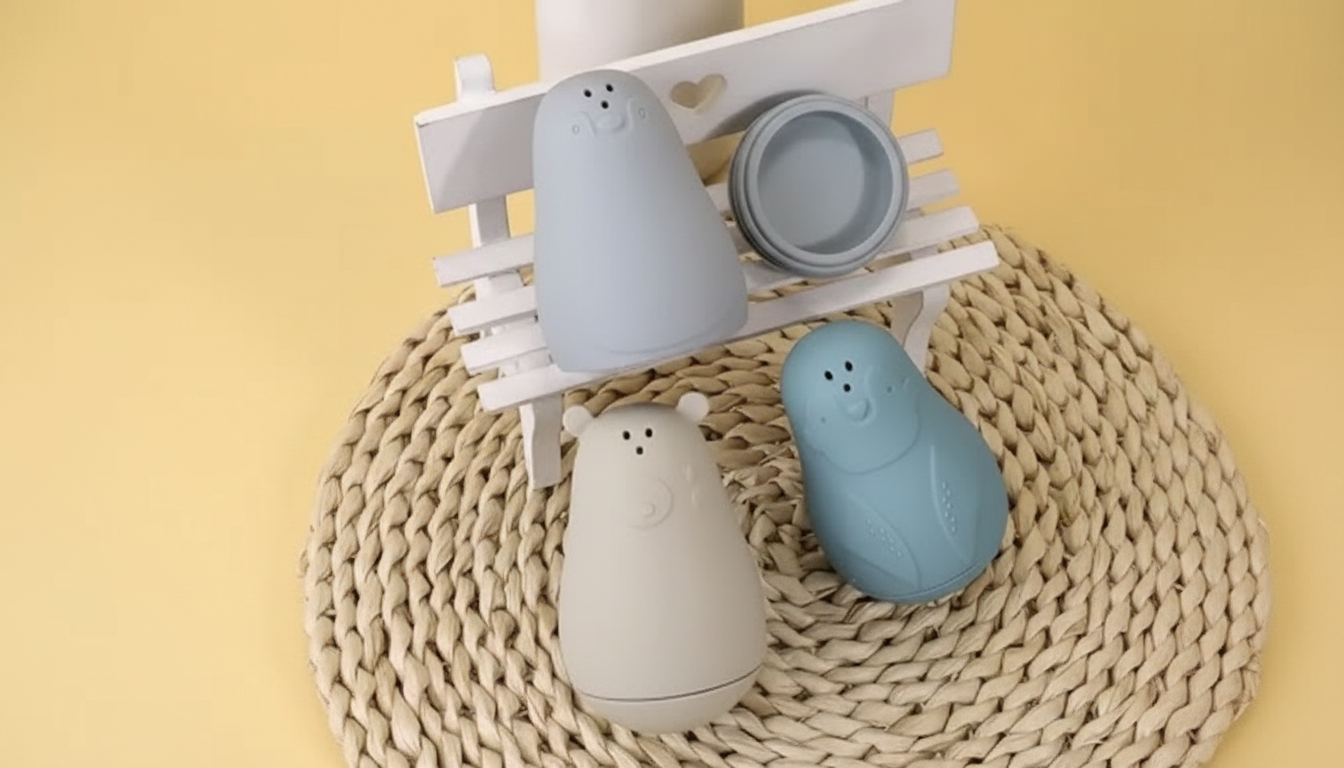
3pcs Silicone Baby Bath Toys – Bear & Penguin Set for Fun Water Play
Turn everyday bath time into a gentle sensory play routine with a soft silicone bear-and-penguin bath toy set. Designed for little hands, these water-friendly toys help keep babies engaged while supporting early motor skills and simple cause-and-effect learning. Whether you’re working through a quick rinse before bedtime or stretching bath time into a calm wind-down, a small set of friendly characters can make the tub feel familiar and fun.
At a Glance
- Includes 3 silicone bath toys featuring a bear and penguin theme for playful water time
- Soft, grippy texture helps babies hold, squeeze, and explore safely under supervision
- Lightweight and easy to pack for travel, pool days, or visits to grandparents
- Works well for rinsing games, floating play, and simple pretend play in the tub
Quick details
| Feature | What it means for bath time |
|---|---|
| Set size | 3 pieces for variety and sharing |
| Material | Silicone feel for a soft, easy-grip hold |
| Theme | Bear & penguin characters to spark attention and routine |
| Play styles | Floating, squeezing, scooping/rinsing, pretend play |
What’s Included in the 3-Piece Set
This 3-piece format keeps bath storage simple while still offering enough variety to hold a baby’s attention. The bear and penguin characters are easy to “name” and reuse in repeatable little bath-time stories—helpful for routines where the same steps happen in the same order (wash, rinse, play, out of the tub).
- A small set size that reduces clutter on the tub edge or in a bath caddy
- Animal characters (bear and penguin) that invite simple, repeatable bath-time storytelling
- Easy to pair with washcloths, rinse cups, and bath books for a calmer routine
Why Silicone Bath Toys Work Well for Babies
For babies who are still developing grip strength and coordination, bath toys that feel soft and comfortable in the hand can make play more inviting. Silicone’s flexible feel also encourages squeezing and releasing—an easy, natural way for babies to explore cause and effect as water moves, splashes, and drips.
- Softness supports gentle play while babies practice grasping and hand-to-hand transfers
- Flexible texture encourages squeezing and releasing to explore simple cause and effect
- Comfortable to hold when wet compared with harder, slicker materials
- Pairs well with sensory water play focused on touch, splashes, and simple motion
Safety and Bath-Time Habits That Matter Most
Bath toys are meant to support fun, but water safety always comes first. Drowning can happen quickly and in small amounts of water, so close, constant adult supervision is essential during all bath and water play. For practical guidance, see water safety resources from the American Academy of Pediatrics and the CDC.
- Stay within arm’s reach and keep full attention on baby around any water, including shallow baths
- Keep toys within reach so baby stays settled and caregivers don’t need to turn away
- Use a toy as a steady focus during hair rinsing to reduce sudden movements or standing attempts
- After bath time, drain water and place toys to dry to help keep playtime clean and pleasant
Play Ideas for Different Ages and Stages
One of the easiest ways to get more value from bath toys is to rotate how you use them as your child grows. A floating toy can be a simple reaching game for early sitters, and the same toy can become a character in pretend play later on.
Early sitters
Let the toys float nearby and name the animals out loud (“bear,” “penguin”). Encourage gentle reaching, grasping, and bringing the toy back to the body.
Cause-and-effect play
Show a slow squeeze and release, then let your baby try. Dunk the toy and lift it out together so your baby can watch the water movement.
Simple sorting and routines
Line the toys up on the tub edge with support. Name colors, animals, or “first/next/last” to reinforce a calming sequence.
Pretend play
Make the bear “swim” to the penguin, or create a quick “wash and splash” story: wash paws, rinse belly, splash hello, then wave goodbye.
Cleaning, Drying, and Storage
A clean, dry setup helps keep bath time pleasant. A quick rinse after each use and airflow between baths go a long way, especially in humid bathrooms.
- Rinse after use to remove soap residue, then shake off excess water
- Air-dry in a well-ventilated spot; avoid leaving toys soaking in standing water
- Store in a breathable basket or mesh bag so toys dry faster between baths
- Regularly inspect toys for wear and replace if any damage appears
For broader toy safety guidance and general best practices, the U.S. Consumer Product Safety Commission (CPSC) is a helpful reference point.
Gifting and Everyday Value
Shop In-Stock Favorites
- 3pcs Silicone Baby Bath Toys – Bear & Penguin Set for Fun Water Play
- Girls Knit Sweater Dress with Heart Print & Ruffle Collar
- Kids’ 12V Ride On Land Rover with Remote Control and LED Lights
Product Details
FAQ
Are silicone bath toys safe for babies?
Silicone bath toys can be a comfortable option for baby play when used appropriately, but safety depends on supervision and condition. Always supervise closely around water, follow any age guidance, and regularly check toys for damage or loose parts.
How often should bath toys be cleaned?
Rinse and air-dry bath toys after each use to remove soap residue and reduce moisture buildup. For deeper cleaning, choose a regular schedule based on how often the toys are used, and store them in a breathable container between baths.
What age is this bear and penguin bath toy set best for?
It can work across stages—from babies practicing reaching and grasping to toddlers enjoying simple pretend play. Use caregiver judgment and follow any product age recommendations, especially as children begin standing, splashing more, or mouthing toys.







Leave a comment