Calm Scripts to Stop Sibling Fights (Without Yelling)
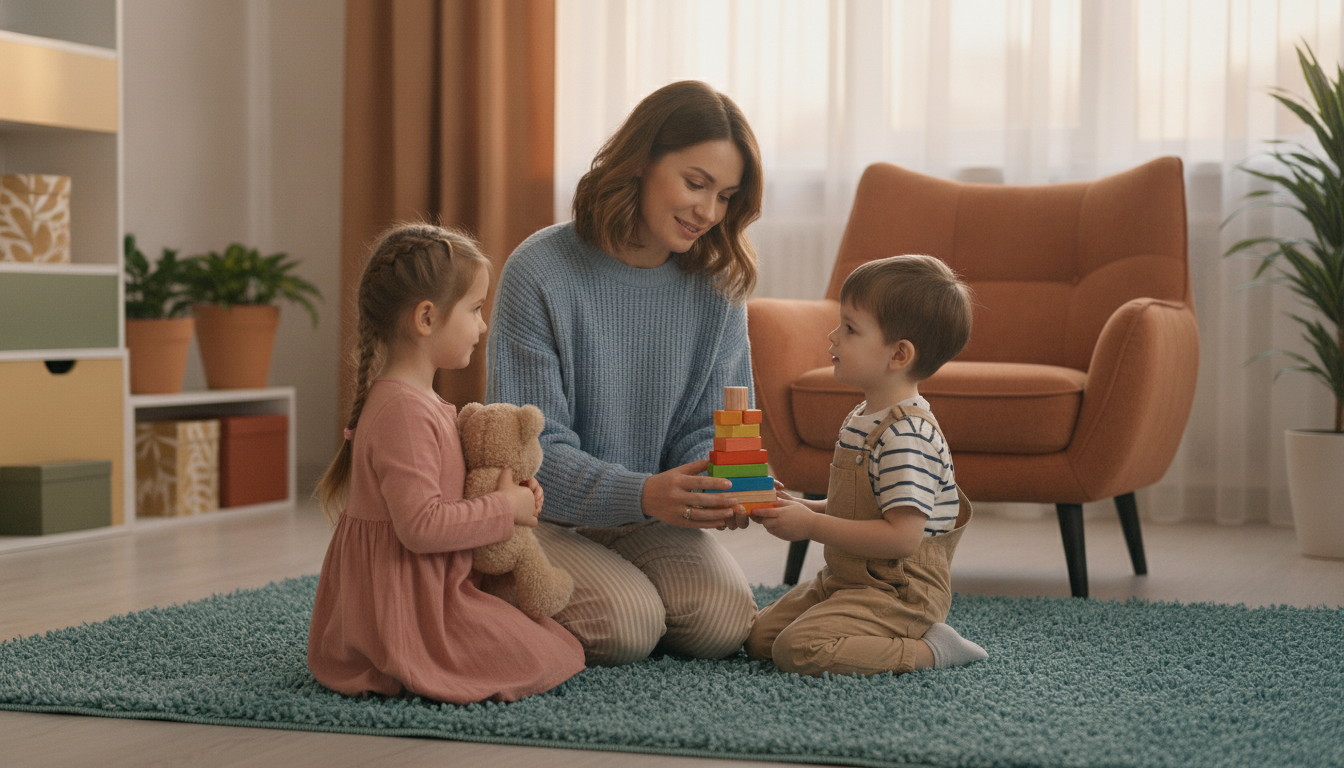
Calm Ways to Handle Sibling Rivalry: A Practical Parenting Guide for Peaceful Communication
Sibling conflict is normal, but the daily arguing, tattling, and physical scuffles can drain the whole household. A calm approach helps kids feel safe, reduces repeat blowups, and teaches skills they’ll use long after childhood. The guidance below focuses on prevention, in-the-moment de-escalation, and simple follow-through routines that build respect and problem-solving over time.
Why sibling rivalry flares up (and what it’s really signaling)
Most sibling fights aren’t “random.” They’re signals that something in the environment, expectations, or skills is out of balance.
- Competition for attention: conflict often spikes during transitions (a new baby, school starting, busy work weeks) because kids are checking, “Do I still matter?”
- Uneven skills, not “bad attitudes”: younger kids lack impulse control; older kids may lack flexibility or empathy when stressed.
- Fairness vs. equality: children track “who got what” more than adults realize; perceived unfairness fuels repeat arguments.
- Sensory and fatigue triggers: hunger, overstimulation, and screen “hangovers” can turn small annoyances into big fights.
- Labels make it worse: “the responsible one” vs. “the difficult one” creates roles that kids defend with behavior.
For a deeper read on age-appropriate behavior and discipline principles, HealthyChildren.org from the American Academy of Pediatrics is a reliable starting point.
Set the house rules that prevent 80% of fights
When rules are simple and predictable, kids spend less energy testing boundaries—and more energy playing.
- Define non-negotiables in simple language: no hitting/kicking, no insults, hands off others’ bodies and property.
- Create “yes spaces” and “private spaces”: each child needs at least one area or bin that siblings can’t touch without permission.
- Make sharing optional, turn-taking required: forced sharing often backfires; structured turns reduce power struggles.
- Use predictable routines for high-conflict moments: mornings, after school, and bedtime get extra structure and fewer choices.
- Schedule small daily connection: 10 minutes of individual attention per child reduces attention-seeking conflict.
Family rule examples that kids remember
| Rule | Kid-friendly wording | What parents do consistently |
|---|---|---|
| Physical safety | Hands and feet are for helping, not hurting. | Separate bodies immediately; calm-down before talking. |
| Respectful talk | No name-calling or mean voices. | Model a neutral voice; pause the conversation if insults start. |
| Belongings | Ask before you touch. | Return items; set a timer for turns; support repairs/apologies if damaged. |
| Fair problem-solving | Both get a turn to talk. | Coach “take turns speaking” and summarize each side. |
| Repair | We fix what we break. | Guide a repair plan: help, replace, write a note, or do a kind act. |
What to do in the moment: a calm conflict script
During a blowup, the goal isn’t a perfect lesson—it’s safety, then reset, then a short plan.
- Pause and scan: check for danger; move closer; keep voice low and short.
- Name the boundary: “I won’t let you hurt each other.” Avoid long lectures during heat.
- Separate roles, not relationships: physically separate if needed; avoid blaming either child.
- Regulate first: breathing, water, a short sit, or sensory reset before problem-solving.
- Hear both sides briefly: each child gets one minute; reflect feelings and needs.
- Choose a solution type: take turns, trade, play separately, or ask for help creating a new game rule.
- Close with repair: apology (if genuine), restore item/space, and a quick “next time” plan.
Quick phrases that de-escalate sibling fights
| Situation | Calm phrase to use | Why it helps |
|---|---|---|
| They’re yelling over a toy | Pause. I’m here. We’ll solve this when voices are calm. | Signals safety and slows escalation. |
| One child grabs | Stop. Ask before touching. Choose: give it back or trade. | Restores boundaries and offers clear options. |
| They talk over each other | One at a time. You go first, then you. | Creates structure and fairness. |
| “It’s not fair!” | You want it to feel fair. Let’s find a fair plan: turns, trade, or separate. | Validates feelings without giving in. |
| Repeat offender dynamic | Same problem again means we need a new rule for this situation. | Shifts from blame to prevention. |
Teach skills when everyone is calm: the “practice, not lecture” approach
Kids don’t learn conflict skills mid-meltdown. They learn them the way they learn sports: short practice sessions when the stakes are low.
When big feelings keep showing up, it can help to review evidence-based guidance on emotion regulation from the American Psychological Association.
Handling big age gaps and different temperaments
After the fight: repair, consequences, and rebuilding trust
A ready-to-use guide and checklist for calmer days
Helpful picks (in stock)
- Calm Ways to Handle Sibling Rivalry (Parenting Guide eBook + Checklist) — a ready-to-use routine and script for prevention, de-escalation, and repair.
- Kids’ 12V Ride On Land Rover with Remote Control and LED Lights — a turn-taking-friendly activity: one child drives while another navigates or uses the remote, then swap roles.
- High-Speed 1/8 Scale Monster Tank RC Car — useful for structured “my turn/your turn” practice with a timer and clear start/stop rules.
FAQ
Should siblings be forced to share everything?
Sharing can be encouraged, but making it mandatory often increases grabbing and resentment. Protect personal items with an “ask first” rule, and use turn-taking tools like timers or “you choose, then I choose” routines.
What if one child always starts it?
Focus on patterns and teach skills instead of assigning a permanent role. Coach the initiator on boundaries and impulse control, and coach the other child on how to get help without retaliating—then adjust supervision where conflicts predictably begin.
How do you stop physical fighting between siblings?
Step in early and prioritize safety: separate bodies, block hits, and use a short boundary statement (“I won’t let you hurt each other”). Once everyone is calmer, do a quick repair plan and add prevention (more structure, more space, and faster adult intervention next time).










Leave a comment