Baby Clutter Reset: 20-Min Triage & Simple Home Zones
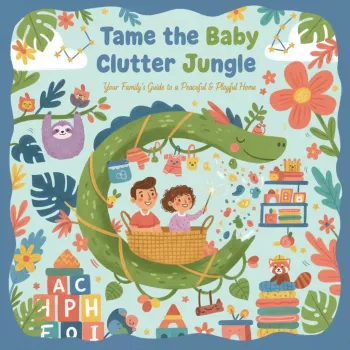
Tame the Baby Clutter Jungle: A Calm, Step-by-Step Reset for a House Full of Baby Stuff
Baby gear multiplies fast—diapers, tiny clothes, bottles, toys, hand-me-downs, and gifts that arrive faster than they can be sorted. When every surface becomes a landing zone, the goal isn’t a perfect home; it’s a safe, functional space that supports sleep, feeding, play, and quick cleanups. This guide breaks clutter into manageable categories, gives a simple triage plan for overwhelmed days, and sets up a low-effort system that stays doable through growth spurts and busy weeks.
Start with a 20-minute triage (when everything feels urgent)
When the house feels like it’s closing in, skip the big “declutter the whole nursery” fantasy and aim for a fast reset that makes your home safer and easier to move through.
- Pick one “safe-path” target first: clear floors in the main walkway (crib to door, couch to kitchen, changing area).
- Use 4 containers: Keep Here, Relocate, Donate/Sell, Trash/Recycle—no sorting beyond that during the first pass.
- Stop the bleeding: designate one temporary “incoming” basket for new items and gifts so they don’t spread.
- Make it a win: end the session by emptying the Trash/Recycle and putting only the Keep Here items away.
This works because it reduces decisions. You’re not “organizing”; you’re restoring basic function.
Map the clutter jungle into zones (so items stop migrating)
Clutter travels when items don’t have a home where they’re actually used. Create a few simple zones, then return items only to those zones.
Feeding zone
Bottles, burp cloths, bibs, pump parts, snack cups—store them where feeding happens, not where there’s a spare drawer. If you prep bottles in the kitchen, keep a small bin there instead of trekking to the nursery.
Diapering zone
Diapers, wipes, cream, changing pads, spare outfit. Duplicate only what saves time (for example, one upstairs and one downstairs if your home layout demands it).
Sleep zone
Swaddles/sleep sacks, sheets, sound machine accessories. Keep surfaces clear to support safer sleep habits; for evidence-based guidance, see the American Academy of Pediatrics safe sleep recommendations.
Out-and-about zone
Stroller gear, diaper bag restock bin, car essentials. A single “grab-and-go” shelf plus a couple hooks (keys, carrier, diaper bag) prevents last-minute scavenger hunts.
Toy zone
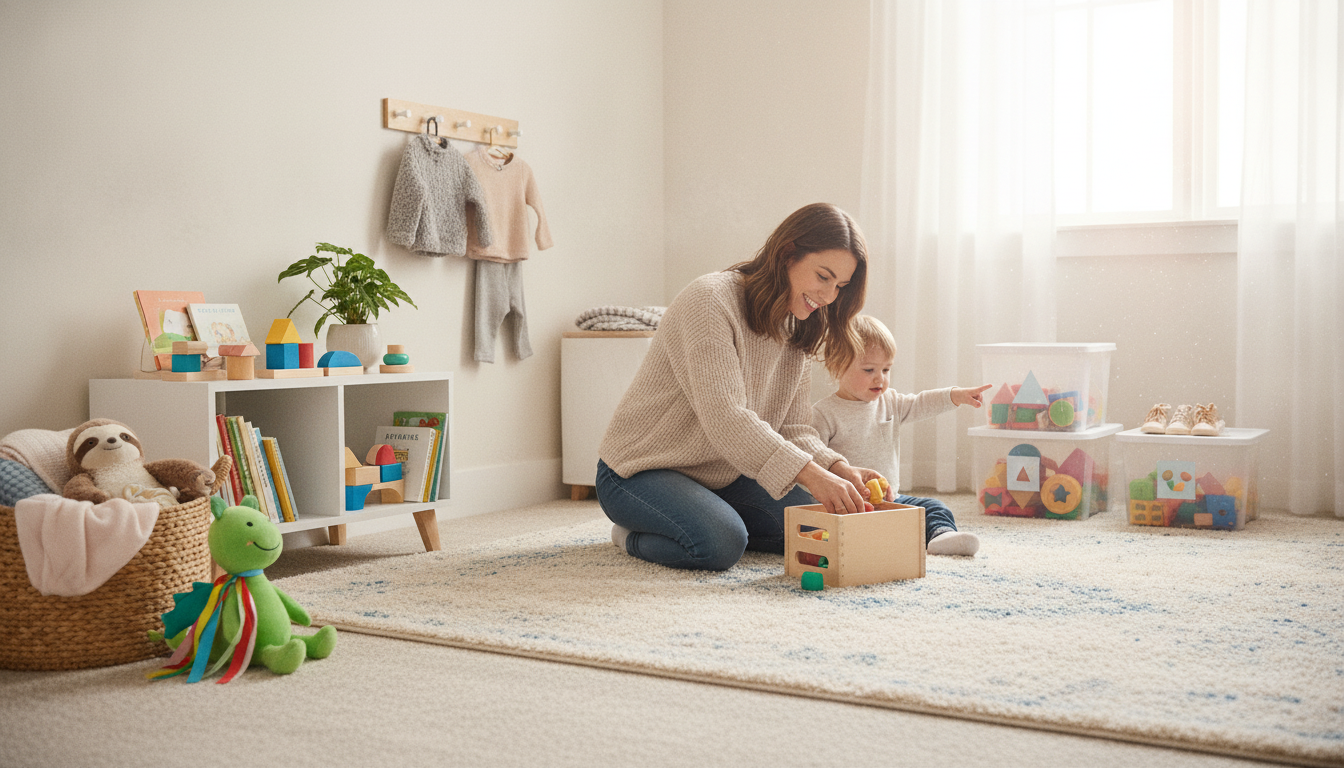
Use fewer bins with bigger labels. Rotate toys instead of storing everything within reach—less floor spread, less visual noise, more focused play.
Sort baby items by decision type (keep, store, pass on, discard)
Sorting by “decision type” is faster than sorting by brand or color, and it prevents the dreaded half-finished piles.
- Daily-use essentials: keep at point of use; avoid deep drawers that become miscellaneous caves.
- Next-size clothing: store by size in clearly labeled bags/bins; keep one small “next up” drawer, not a mountain.
- Sentimental items: limit to one memory box per child; choose “best of” pieces (hospital band, one outfit, a few photos).
- Duplicate gear: keep the duplicates that remove friction (extra burp cloths) and release the ones that create piles (extra bulky seats).
- Safety check: discard damaged gear, expired items, or anything with missing parts that can’t be replaced reliably. Check the CPSC recalls database before storing or passing on baby products.
Quick decisions for common baby-clutter categories
| Category | Keep Out | Store | Pass On/Discard |
|---|---|---|---|
| Clothes | Current size + 7–10 days of outfits | Next size (labeled by size/season) | Stained/unsafe; extras you never reach for |
| Feeding items | Daily bottles/pump parts/bibs | Backups in one bin (clearly capped) | Warped, cracked, missing lids/valves |
| Toys/books | Small rotation (1–2 bins max) | Seasonal/next-stage rotation bin | Broken/noisy duplicates; outgrown |
| Diapering | One week’s supplies at each changing spot | Bulk refills in a single stash area | Products that irritate skin; dried-out wipes |
| Gear (swings, bouncers, carriers) | Only what’s used weekly | Folded, labeled, parts secured | Recalls/unsafe; never-used items |
Build a “one-touch” reset routine that works on low sleep
Storage that actually stays tidy (simple, visible, labeled)
For clothing that’s meant to be worn now (not stored), consider keeping only the “favorites that get grabbed first.” If you’re refreshing your child’s closet, a single standout piece like the Girls Knit Sweater Dress with Heart Print & Ruffle Collar can help you let go of the forgettable extras and keep outfits intentional.
What to do with the hard stuff: gifts, hand-me-downs, and guilt piles
Big-ticket toys can be the toughest “space-to-joy” tradeoff. If you bring in something large—like the Kids’ 12V Ride On Land Rover with Remote Control and LED Lights—pair it with a clear exit plan for another bulky item so your floors stay usable.
A ready-to-follow plan for overwhelmed days
If you want a guided, printable system that walks through zones, decisions, and maintenance routines, use the Tame the Baby Clutter Jungle digital guide for a step-by-step reset you can repeat whenever life gets messy again.
FAQ
How long should decluttering baby items take?
Most homes improve quickly with 20-minute triage sessions done consistently over 1–3 weeks. Consistency beats marathon days, especially when you focus on one zone at a time.
What baby items are worth keeping for a second child?
Timeless essentials like sleep sacks, neutral basics, and select gear can be worth storing if they’re in excellent condition and still meet current safety guidance. Check for wear, missing parts, and recalls before you keep anything long-term.
How many toys should a baby have out at once?
A simple guideline is a small rotation that fits in 1–2 bins. Rotating weekly (or every two weeks) reduces clutter and often increases engagement with what’s available.








Leave a comment