Advanced PM Air Purifier for PM2.5: Home Air Tips
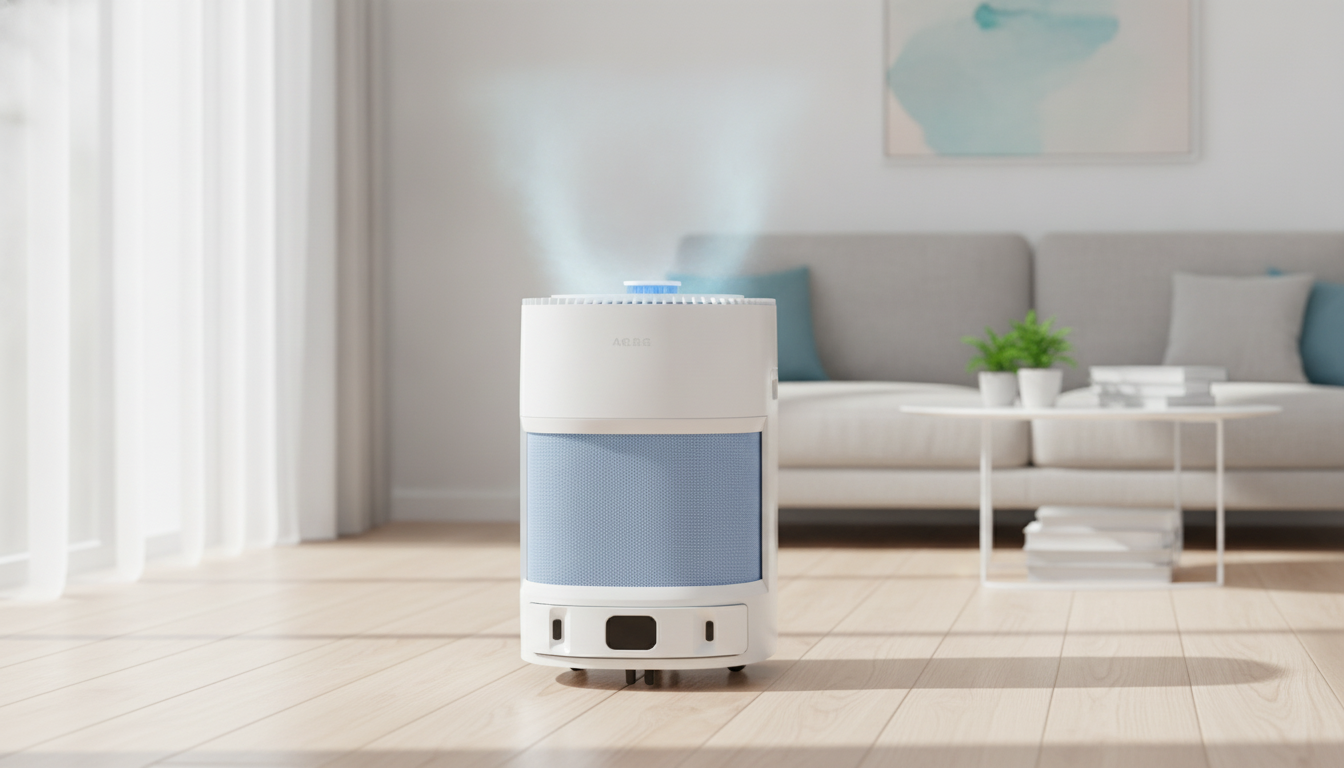
Advanced PM2.5 Air Purifier: Cleaner Indoor Air for Everyday Living
Fine particulate pollution can build up indoors from cooking, smoke, outdoor air, and everyday dust—often without obvious signs. An advanced PM2.5 air purifier is designed to reduce these tiny particles and help keep breathing spaces feeling fresher, especially in bedrooms, nurseries, and high-traffic rooms.
Because PM2.5 is so small, it can stay suspended longer than heavier dust and is easier to spread from one room to another. Learning what contributes to indoor particle levels—and how purifier filtration and placement affect results—helps you get steadier, more noticeable day-to-day comfort.
What PM2.5 Is and Why It Matters Indoors
PM2.5 refers to particles 2.5 microns and smaller that can linger in the air for long periods. For perspective, these particles are far smaller than visible dust specks and can be produced by common household activities.
- Everyday sources add up: cooking aerosols, candles, fireplaces, dust, pet dander, and outdoor pollution entering through doors and windows can all increase indoor particle load.
- Indoor air can change quickly: a quick sear on the stove, vacuuming, or opening windows near traffic can cause a noticeable spike.
- Sensitive households may benefit most: reducing fine particles can be especially helpful for homes with children, older adults, or anyone sensitive to airborne irritants.
For more background on particulate pollution and how it behaves, see the United States Environmental Protection Agency (EPA) overview of PM basics.
How an Advanced PM2.5 Air Purifier Works
Most purifiers designed for fine particle reduction use a multi-stage airflow path. The goal is to capture larger debris up front so the main particle filter can keep doing its job efficiently.
- Stage-by-stage capture: larger dust and hair are typically trapped first, while finer particles are targeted in later stages.
- The particle filter does the heavy lifting: a high-efficiency particle filter is the core component for trapping PM2.5-sized particles.
- Helpful feedback features: some models include sensors or indicators to track air-quality changes and adjust operation or alert you when filters need attention.
Common Filtration Stages and What They Target
| Stage | Primary role | Examples of what it reduces |
|---|---|---|
| Pre-filter | Catches larger debris and protects main filter | Lint, hair, larger dust |
| High-efficiency particle filter | Captures fine particulate matter | PM2.5, smoke particles, fine dust |
| Activated carbon (if included) | Adsorbs some odors and gases | Cooking smells, some VOC-related odors |
Where It Helps Most at Home
Targeting the rooms where particles are generated—or where people spend the most time—usually delivers the biggest payoff. A purifier can’t stop particles from being created, but it can reduce how long they stay in the air.
- Bedrooms: supports cleaner overnight air. Place the unit where airflow isn’t blocked by curtains or bedding so it can circulate across the room.
- Nurseries and kids’ rooms: helps reduce fine dust that can accumulate from fabrics, soft toys, and tracked-in debris. Consistent, quieter settings often work best here.
- Living rooms: useful for shared spaces where foot traffic and frequent door openings bring in outdoor particles.
- Near kitchens (not directly beside the stove): can help manage particle spikes from cooking—especially frying or high-heat searing—when run on higher speed for a short period.
If outdoor air quality is a concern in your area, the World Health Organization (WHO) fact sheet on outdoor air pollution offers helpful context on why fine particles matter and how they can affect day-to-day environments.
Placement and Daily Use Tips
Even a well-designed purifier can underperform if it’s placed where it can’t “see” the room air. A few small adjustments often make operation more effective (and sometimes quieter).
- Keep clear airflow: leave space around the intake and outlet so the unit doesn’t immediately re-filter the same pocket of air (short-cycling). Avoid pushing it flush against furniture.
- Prioritize steady runtime: running longer at lower settings often provides more consistent particle control than short bursts. Use higher settings after cooking, vacuuming, or lighting candles.
- Use windows strategically: during high outdoor pollution events, close windows and run the purifier to help maintain indoor air quality.
- Stay on top of filters: clogged filters reduce airflow and can make the fan work harder, which may increase noise.
What to Look For Before Buying
Advanced PM2.5 Air Purifier: Product Snapshot
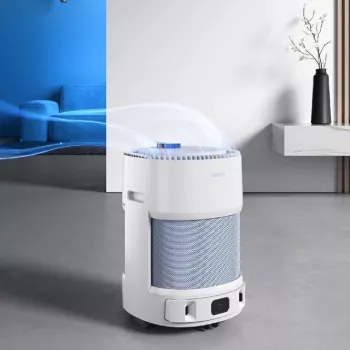
If you want targeted, everyday support against smoke-like particles and fine dust, the Advanced PM2.5 Air Purifier is designed to focus on fine particulate reduction for indoor comfort. Before ordering, it helps to verify current price, stock, and listing images on the product page.
Current Listing Details
| Product | Price | Availability |
|---|---|---|
| Advanced PM2.5 Air Purifier | $1211.95 USD | In stock |
More In-Stock Picks for Comfortable Indoor Days
- Girls Knit Sweater Dress with Heart Print & Ruffle Collar
- Kids’ 12V Ride On Land Rover with Remote Control and LED Lights
Care, Cleaning, and Filter Replacement
FAQ
Does a PM2.5 air purifier help with smoke?
Yes—smoke contains a large amount of fine particles that fall into the PM2.5 range. Results depend on the filter type and airflow, and performance is typically strongest with continuous operation and proper placement in the room.
How long should an air purifier run each day?
Longer daily runtime generally supports steadier particle control, especially in bedrooms and main living areas. Many households run lower, quieter settings for extended periods and switch to higher speed after cooking, cleaning, or other particle-generating activities.
How often do filters need to be replaced?
Replacement timing varies widely by environment and filter design, but many households check filters every few months and replace as recommended by the manufacturer. If you notice reduced airflow, increased noise, or odors returning (when carbon is included), it’s a good sign to inspect and replace—without washing filters that aren’t labeled washable.








Leave a comment