Teaching Kids Solar Energy: Simple Experiments & Kits
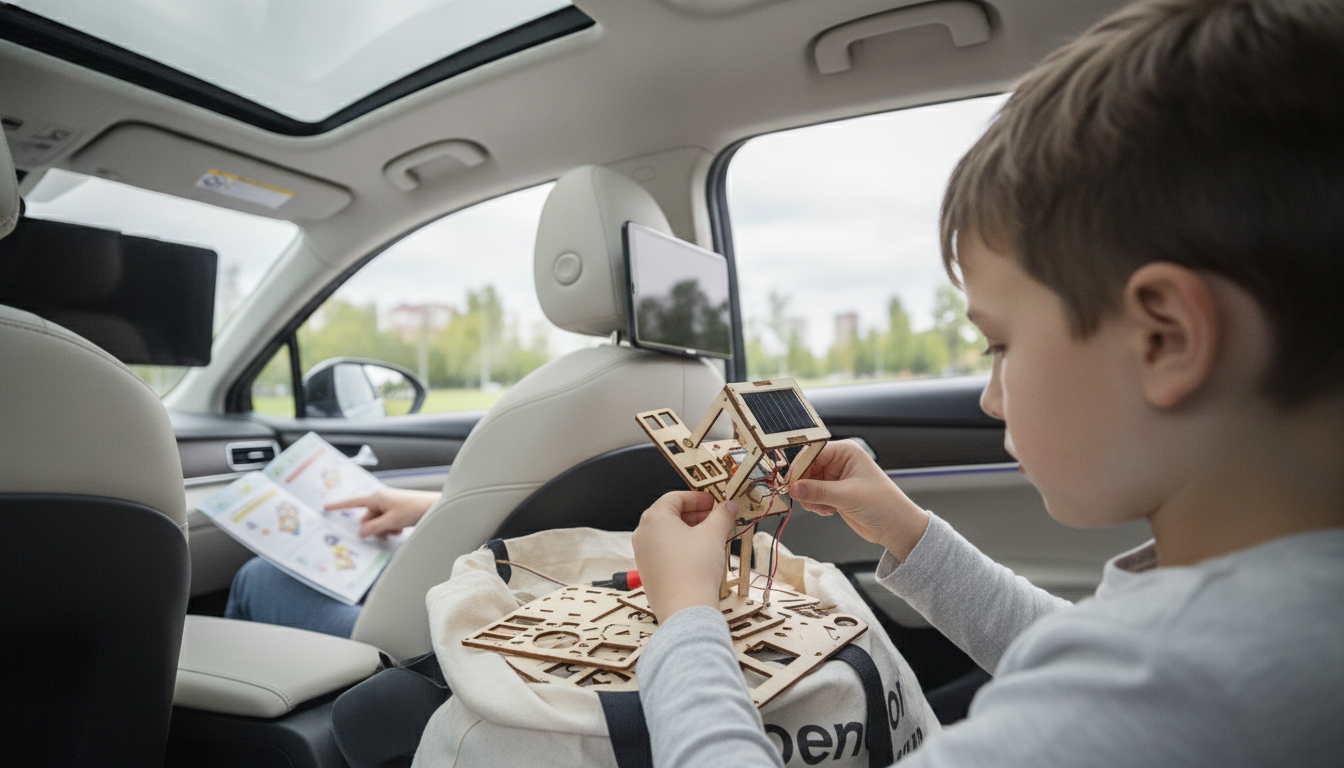
How to teach kids about solar energy?
Teaching kids about solar energy works best when they can see sunlight “turn into” something useful. Start with the big idea: the sun gives off energy, and solar panels capture that energy and convert it into electricity. Keep it concrete by tying it to everyday examples—yard lights, calculators, and phone chargers—then build toward simple experiments that let kids test, predict, and observe.
1) Begin with a simple model they can picture
Use a quick analogy: a solar panel is like a net catching sunlight. The “caught” energy becomes electricity that can power small devices. Ask a few guiding questions: What happens when a panel is in shade? What changes when the sun is brighter? Let kids guess first, then test.
2) Try quick, low-prep activities
Sun vs. shade test: Put two identical objects in different light (a sunny windowsill and a shaded spot). Use an inexpensive thermometer or just touch-check with supervision to show that sunlight adds energy (heat).
Angle challenge: Hold a flashlight at different angles to a surface to show how “direct” light is stronger than slanted light. This sets up why solar panels are often tilted.
3) Use a hands-on STEM kit for real results
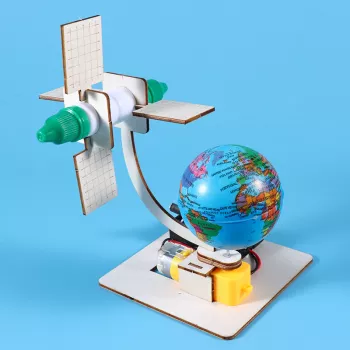
Kids learn faster when they can wire, build, and troubleshoot. A solar STEM kit can demonstrate how a panel powers a motor, sensor, or small circuit—making the invisible (electricity) feel real. For a kid-friendly, project-based approach, see this guide to a solar radar satellite STEM kit: https://babyjoyboutique.com/guide-solar-radar-satellite-stem-kit-for-kids/.
4) Connect solar energy to real-life impact
Explain that solar power is renewable: the sun keeps shining, so the “fuel” doesn’t run out like coal or gas. Keep it balanced and age-appropriate—solar is clean and useful, and it also depends on weather and daytime, which is why batteries and power grids matter.
FAQ
What are some easy solar energy experiments for kids?
Try a sun vs. shade temperature test, a flashlight angle test, or a small solar-powered toy that runs faster in bright light and slows in shade. These activities make cause-and-effect obvious in minutes.









Leave a comment