1/6 Scale RC Off-Road Jeep Guide: Trail Setup & Care
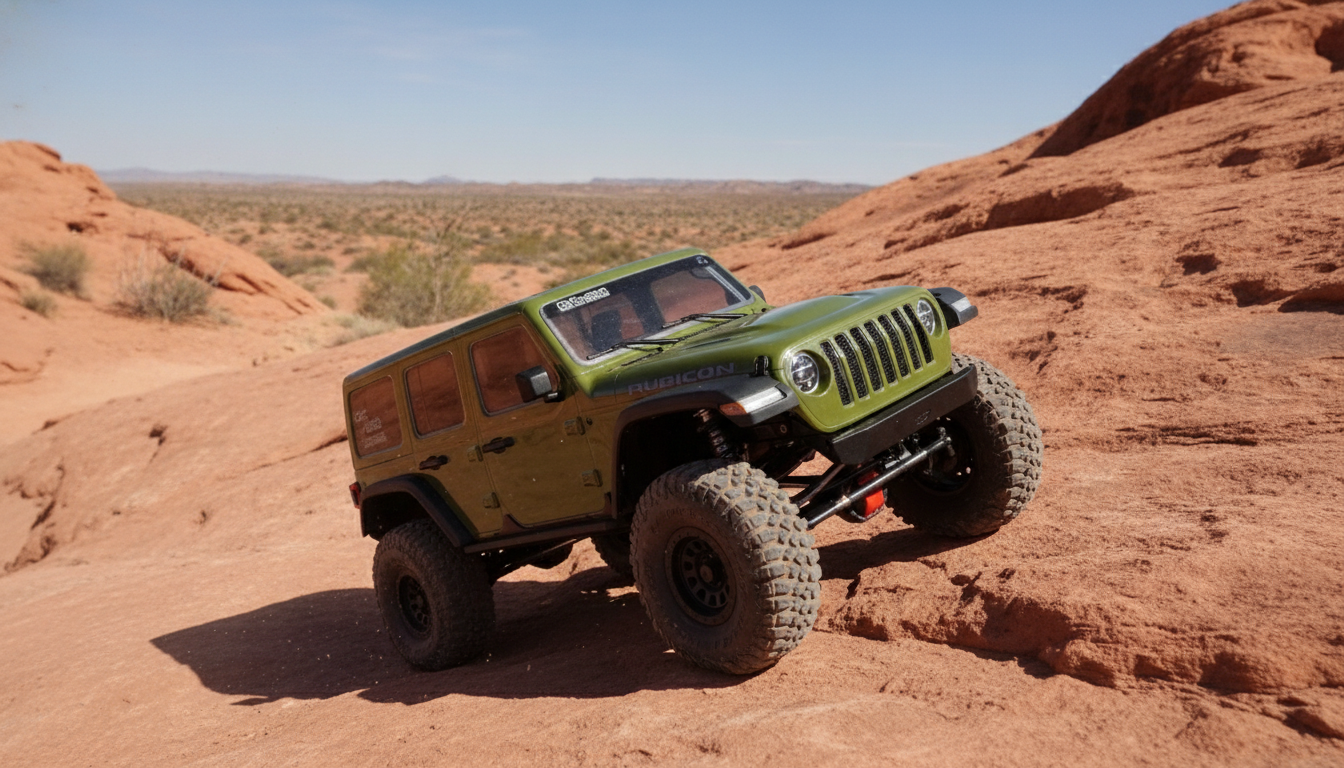
Ultimate 1/6 Scale RC Off-Road Jeep: Big-Scale Trail Driving and Display-Grade Presence
A 1/6 scale off-road Jeep-style RC delivers the kind of size, stance, and realism that smaller rigs struggle to match. The larger footprint makes trail runs feel more “full-size,” while the detailed body and planted posture look right at home on a shelf between sessions. Below is what to look for in a big-scale trail vehicle, how to set it up for confident outdoor driving, and the habits that keep it running smoothly season after season.
What Makes a 1/6 Scale Off-Road Jeep Different
The biggest difference is obvious the moment it rolls by: large scale adds presence. Body proportions, wheelwell clearance, and the overall trail stance tend to read more like a real 4×4, especially in photos and videos where small models can look “toy-sized.”
That added size usually comes with more mass and larger tires, which can help the vehicle roll over everyday obstacles like roots, scattered gravel, and uneven lawn terrain with less drama than a smaller rig. It’s not a guarantee of traction—tire compound and driving technique still matter—but big tires can bridge gaps and smooth out choppy surfaces.
Practical reality: a 1/6 scale Jeep needs a storage plan. Measure shelf space, think about where a charger and battery-safe storage will live, and consider transport (car trunk fit, easy carry points, and how you’ll keep it from sliding around).
These rigs shine outdoors. Tight indoor spaces and small patios can feel cramped quickly, so the best experience usually comes from trails, open dirt paths, and wider backyards.
Quick Look: Where This Jeep Fits Among RC Options
Jeep-style trail rigs are built around stable control, predictable steering, and obstacle-clearing at realistic speeds. They’re different from high-speed bashers that prioritize impact resistance, quick acceleration, and launching off jumps.
| Category | Best For | Typical Terrain | What to Expect |
|---|---|---|---|
| 1/6 scale Jeep-style trail rig | Realistic off-road driving, scale photos, casual trail sessions | Dirt paths, grass, gravel, small rocks | More realism and obstacle rollover; needs space |
| High-speed monster/tank-style RC | Fast runs, rough play, bigger impacts | Packed dirt, open fields, skatepark-style areas | Higher speed feel; less scale realism focus |
| Kids ride-on vehicle (12V) | Child driving experience, supervised outdoor play | Driveway, yard, smooth paths | Human-riding toy; not an RC hobby platform |
Choosing the category first prevents the classic mismatch: expecting slow-and-steady trail realism from a speed machine, or expecting skatepark-style jumping from a scale-focused Jeep.
Design and Scale Details to Check Before Buying
Scale looks great when the basics are done right. Start with the body: consistent paint, solid panel fit, and accessories that are securely mounted so they don’t rattle loose mid-run. Even small details—like mirror mounts or roof accessories—benefit from occasional re-tightening on a trail rig.
Next, consider chassis layout. A stable wheelbase and a planted stance make a noticeable difference on off-camber sections where top-heavy vehicles can feel twitchy. Tires and wheels matter just as much: deeper tread helps on loose dirt, while softer rubber can improve grip on rocks and hardpack (with faster wear if you spend a lot of time on pavement).
Finally, look at suspension travel and overall tuning. Enough articulation keeps tires in contact over uneven ground. On the other hand, overly stiff setups can feel bouncy on trails, causing the Jeep to skip instead of settling into the terrain.
Off-Road Performance: How to Get the Most From a Large-Scale Trail Jeep
Start with a short shakedown run on flat ground. Listen for tire rubbing, binding in the drivetrain, or clicking that suggests a loose fastener. Catching small issues early saves time—and prevents wear—from a longer trail session.
On the trail, smooth throttle is your friend. Gradual power helps traction build instead of breaking loose, especially on dusty dirt or loose gravel where sudden bursts can spin tires and push the front end wide. Steering benefits from the same approach: smaller inputs reduce plowing and keep the rig tracking predictably.
Power, Runtime, and Charging Habits
For general battery safety guidance, review recommendations from authoritative sources like the Consumer Product Safety Commission (CPSC) and NFPA. For radio control compliance and device guidance, the FCC is a helpful reference.
Setup Checklist for First Run
Care and Maintenance That Keeps It Trail-Ready
Who This Large-Scale Jeep Is Best For
Shop Comparable Options (In Stock)
- Ultimate 1/6 Scale RC Off-Road Jeep
- High-Speed 1/8 Scale Monster Tank RC Car
- Kids’ 12V Ride On Land Rover with Remote Control and LED Lights
FAQ
Is a 1/6 scale RC Jeep good for beginners?
It can be beginner-friendly with a large open area and gentle throttle use, but the size, cost, and maintenance expectations often make it best for supervised beginners or hobbyists comfortable with basic setup and care.
Can it drive on grass, gravel, and dirt trails?
Yes—those are ideal trail surfaces for this style of RC. Performance depends on grass height, moisture, and tire tread, and deep water should be avoided unless the electronics are specifically rated for it.
How should it be stored between runs?
Brush off debris, keep it dry, and store batteries according to the manufacturer’s guidance. Because of the larger footprint, plan on a sturdy shelf or dedicated floor space and avoid putting weight on the tires or suspension.








Leave a comment