Are Solar Kits Worth It for Kids? What to Expect
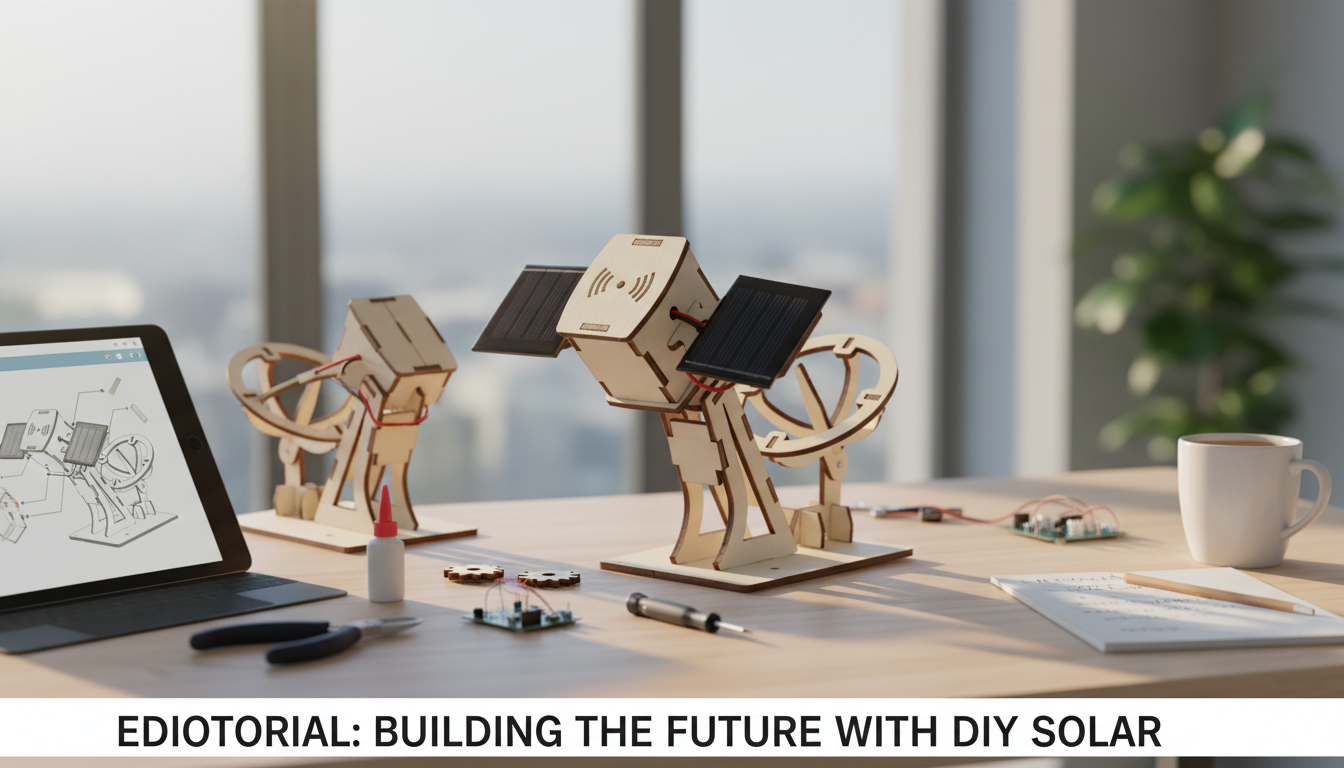
Are solar kits worth it?
Solar kits are worth it when the goal is hands-on learning, low-risk experimenting, or powering small projects without relying on wall outlets. For kids and families, a well-designed solar kit can turn abstract ideas—sunlight, energy conversion, circuits—into something you can see working in minutes. The payoff is usually less about “saving money” and more about building confidence and curiosity through real results.
When a solar kit is a good value
A solar kit tends to be a smart buy if it includes multiple build options (so it doesn’t become a one-day toy) and if the parts are sturdy enough to handle repeated assembly. STEM-focused kits that combine solar power with components like sensors or simple robotics can stay engaging longer because each build teaches a slightly different concept. Another sign of value is a kit that works in typical conditions—bright window light or outdoor sun—without requiring perfect timing or advanced troubleshooting.
What “worth it” doesn’t mean
Most consumer solar kits for kids aren’t meant to run household devices or replace a serious solar setup. They usually generate small amounts of power designed for demonstrations and light loads (like tiny motors, buzzers, LEDs, or simple modules). If the expectation is “backup power for a phone” or “free electricity,” a beginner kit can feel underwhelming. If the expectation is “a fun, buildable way to understand solar energy,” the same kit can feel like a great deal.
How to choose the right solar kit
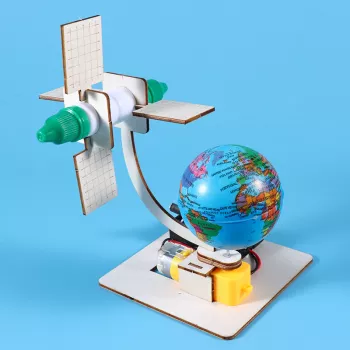
Look for clear instructions, safe connections, and projects that match the builder’s age and patience level. Kits that let kids test different configurations—changing angles, swapping parts, and observing cause-and-effect—tend to deliver more learning per dollar. For a closer look at one kid-friendly option that blends solar concepts with broader STEM exploration, see this guide to a Solar Radar Satellite STEM kit for kids.
Bottom line
Solar kits are worth it when they’re treated as an educational tool and a creative project, not a mini version of a home solar system. Choose one with replay value, clear builds, and reliable components, and it can deliver weeks of experimenting and proud “it works!” moments.
FAQ
What age is best for a kids’ solar STEM kit?
Many solar STEM kits work well for elementary to middle school ages with light supervision, while more complex builds are better for older kids who enjoy step-by-step assembly. The best fit depends on reading level, attention span, and how much hands-on help is available.









Leave a comment