Silicone Snack Cup with Lid: Less Mess for Toddlers
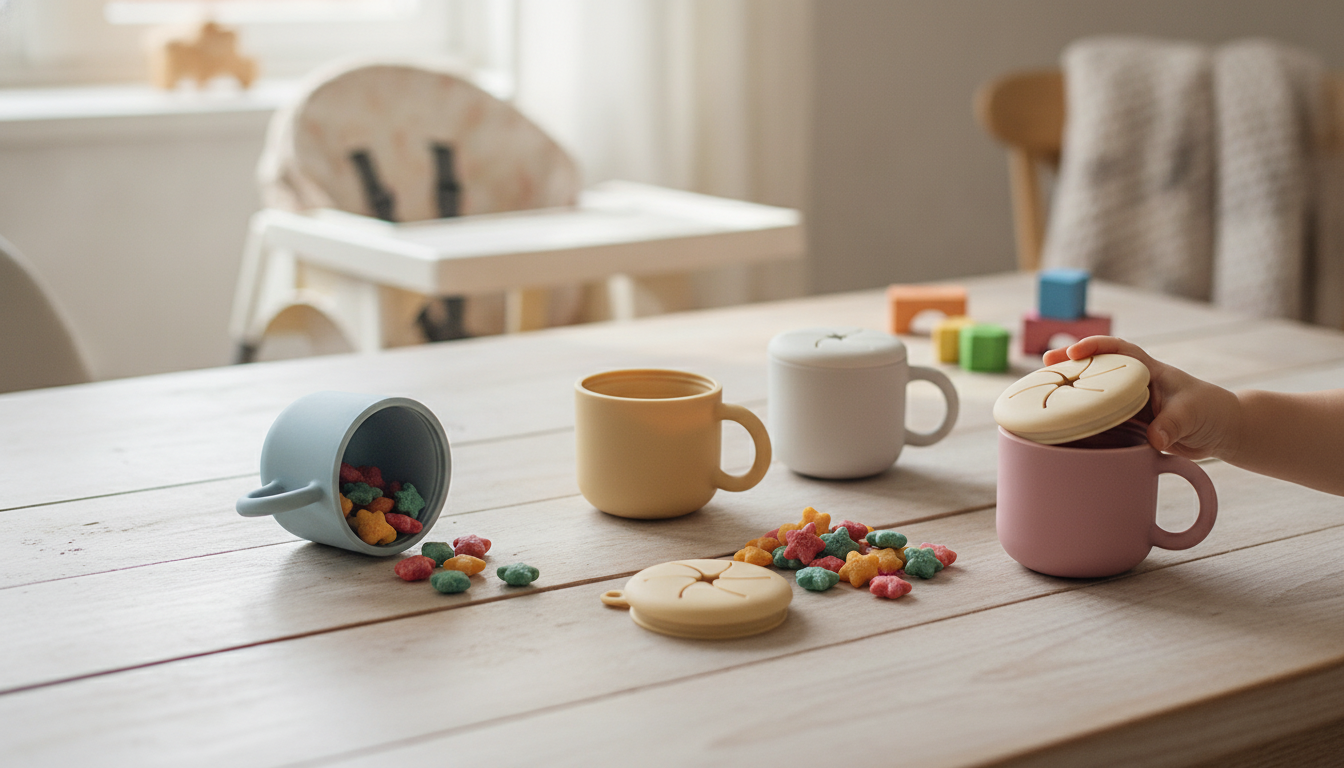
Kids Silicone Snack Cup with Lid – Easy, Mess-Reducing Snacks for Toddlers
Toddlers love to snack on the move, but spills can turn a quick bite into a cleanup job. A soft silicone snack cup with a lid helps little hands practice independence while keeping snacks fresher and floors cleaner—at home, in the car, or at the park.
Why a Silicone Snack Cup Works So Well for Toddlers
When toddlers want “do it myself,” the right container can make snack time smoother for everyone. A silicone snack cup is designed for small hands, quick grabs, and fewer scattered snacks.
- Supports self-feeding: A flexible opening helps toddlers reach in and grab snacks with less assistance.
- Helps reduce spills: A snug lid and soft silicone construction can limit tipping and runaway snacks compared with open bowls.
- Comfortable for small hands: Lightweight, grippy silicone is often easier to hold than rigid plastic containers.
- Useful beyond snacks: Works for cut fruit, cereal, crackers, freeze-dried bites, or other small portions for daycare and errands.
Product Snapshot: Kids Silicone Snack Cup with Lid
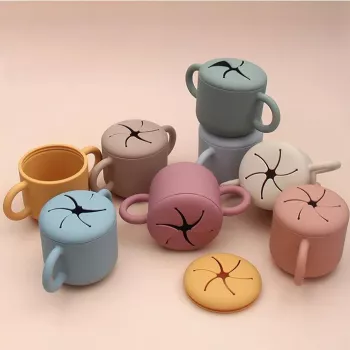
If you’re building a reliable snack routine, the Kids Silicone Snack Cup with Lid – BPA-Free Food Storage for Toddlers is a simple, budget-friendly add-on that fits right into diaper bags, strollers, and car cup holders.
- BPA-free silicone: Made for toddler-friendly snacking and easy storage between bites.
- Lid included: Helps keep snacks contained during travel and offers basic protection from dust and accidental bumps.
- Soft and durable: Built to handle everyday drops and jostling in busy family life.
- Easy win for routines: Useful for daycare packing, playdates, and quick outings.
Quick Details
| Item | Details |
|---|---|
| Product | Kids Silicone Snack Cup with Lid – BPA-Free Food Storage for Toddlers |
| Price | $6.51 USD |
| Availability | In stock |
| Best for | Toddlers learning independent snacking and families needing a portable snack container |
Choosing Snacks That Work Best in a Snack Cup
Snack cups shine with dry, bite-size foods that won’t smear or leak. Think “easy to grab” and “easy to clean up” while keeping age-appropriate safety in mind.
- Dry, bite-size snacks stay neatest: Cereal, crackers, puffs, freeze-dried fruit, pretzel sticks (age-appropriate), or small cookies.
- Soft fruit options: Banana slices or berry halves can work for short outings; keep the lid on between bites to protect the food.
- Avoid messy liquids: Yogurt, applesauce, soups, and runny foods generally need a truly leak-proof container.
- Consider choking safety: Offer appropriate shapes and sizes. For grapes, use quartered pieces; cut firmer foods into manageable bites. For guidance, see the American Academy of Pediatrics choking prevention resources.
Snack Ideas by Situation
| Situation | Good Options | Skip These |
|---|---|---|
| Car seat / stroller | Cereal, puffs, crackers | Sticky snacks, crumbly pastries |
| Park / playground | Freeze-dried fruit, small pretzels (age-appropriate) | Chocolate melts, powdered snacks |
| Daycare bag | Dry fruit, bite-size snacks in portions | Runny foods without a tight seal |
Daily Use Tips for Fewer Spills and Fresher Snacks
Even the best snack cup works better with a couple of small habits that match toddler movement and attention spans.
- Don’t overfill: Leave space so little hands can reach in without pushing snacks up and out.
- Use the lid during transitions: Close it before getting out of the car, switching strollers, or handing it off in a hurry.
- Keep snack time predictable: Offering the cup at a similar time daily can reduce “drive-by snacking” and encourage calmer bites.
- Pack smart for travel: Place the cup in an outer pocket for quick access, and keep a small wipe handy for hands and surfaces.
Care and Cleaning
Silicone is generally simple to maintain, but consistent cleaning keeps odors away and helps the cup last longer.
- Wash after each use, especially after fruit or foods that leave residue.
- Check the lid area for trapped crumbs and rinse thoroughly.
- Let it dry fully before storing to help prevent lingering smells in closed spaces like diaper bags.
- Inspect periodically and discontinue use if you notice deep tears, persistent odor, or damage that could affect performance.
For broader information on BPA in food-contact applications, the U.S. Food & Drug Administration (FDA) provides an overview and regulatory context.
When a Snack Cup Is the Right Tool (and When It Isn’t)
A snack cup can be a small change that makes a big difference—especially in high-traffic areas like living rooms, cars, and playrooms.
A Simple Add-On Gift for Parents of Toddlers
If you’re putting together a small toddler-themed gift set, consider pairing the snack cup with something cozy and cute like the Girls Knit Sweater Dress with Heart Print & Ruffle Collar, especially for fall outings and family visits.
Featured In-Stock Picks
- Kids Silicone Snack Cup with Lid – BPA-Free Food Storage for Toddlers ($6.51)
- Girls Knit Sweater Dress with Heart Print & Ruffle Collar ($18.97)
FAQ
Can a toddler use a snack cup without making a mess?
A snack cup can reduce spills, but it won’t eliminate messes completely. For best results, choose dry snacks, avoid overfilling, and close the lid during movement like car-to-stroller transitions.
Is BPA-free silicone a safe choice for kids’ food containers?
BPA-free products are commonly preferred for kids’ food storage. Follow the manufacturer’s use and care directions, and replace the cup if it becomes torn or develops persistent odors; the FDA also provides background information on BPA and food-contact uses.
What snacks are best for a silicone snack cup with a lid?
Dry, bite-size snacks like cereal, puffs, crackers, and freeze-dried fruit tend to work best. Soft fruits can work for short outings, while runny foods are better saved for truly leak-proof containers.








Leave a comment