AI for Reading: Tools That Help Kids Read and Understand
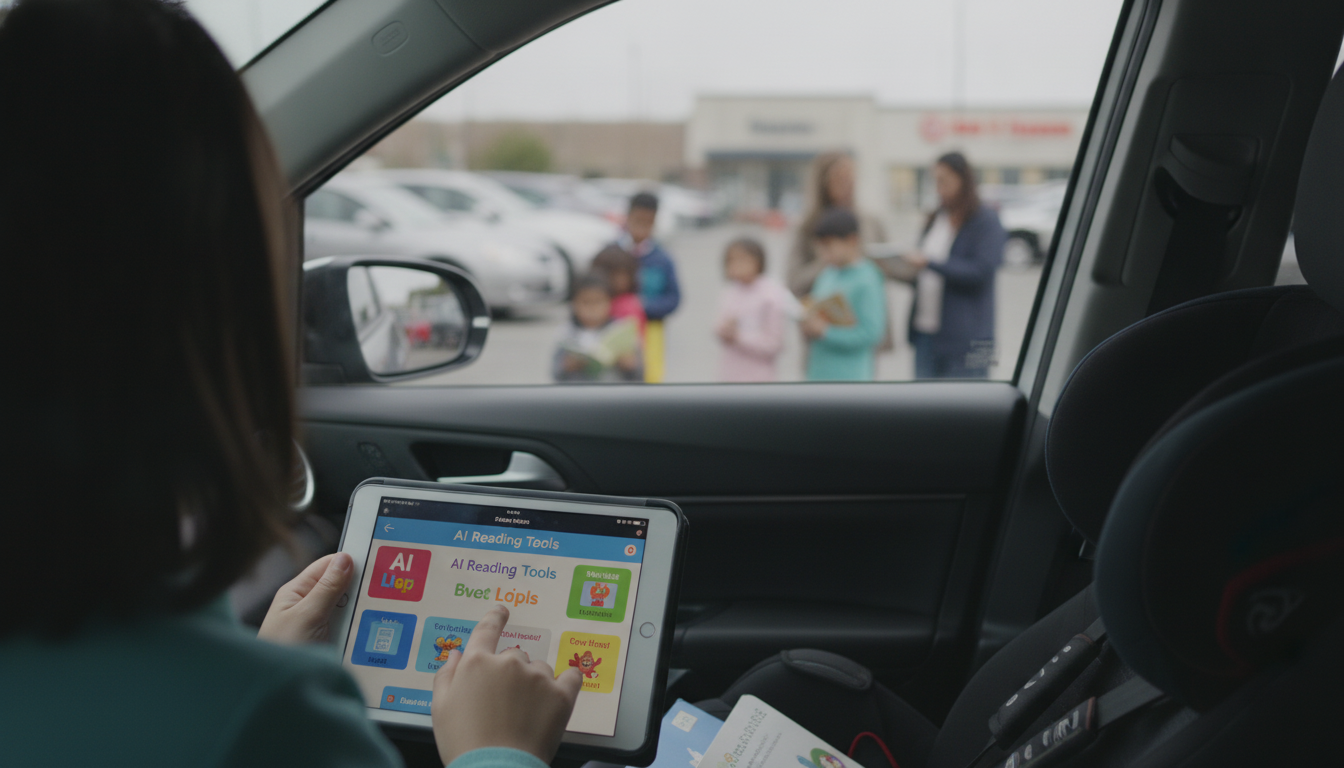
Is there an AI for reading?
Yes—there are several types of AI designed to support reading. Some tools “read” by recognizing printed text from photos or scanned pages (OCR) and then converting it into spoken audio (text-to-speech). Others help readers understand what they’re reading by defining words, simplifying passages, highlighting key points, or adjusting the reading level without changing the core meaning.
How AI reading tools work (and what they’re best at)
Most AI reading support falls into a few practical categories:
- Text-to-speech and read-aloud: Converts digital text into natural-sounding audio so kids can follow along and build fluency.
- OCR for printed pages: Lets a phone or tablet “read” worksheets, books, labels, and handouts by turning images into selectable text.
- Comprehension support: Offers quick summaries, vocabulary help, and guided questions to check understanding.
- Personalized practice: Adapts difficulty based on performance, helping kids work at the right pace.
Where AI can help kids the most
For many families, AI is most useful when it makes reading feel less frustrating and more consistent. It can support kids who are building confidence, learning English, or who benefit from audio plus visual input. AI can also help parents spot patterns—like which words or sounds cause trouble—so practice time stays focused and positive.
Using AI without replacing real reading
The most effective approach is to treat AI as a helper, not a substitute. Pair read-aloud audio with pointing to words, add short comprehension check-ins, and keep sessions routine-based. For a simple way to set goals and track progress, use this guide: AI Reading Checklist for Kids: Goals, Routine, and Progress.
For AI for Reading: Tools That Help Kids Read and Understand, the best answer depends on fit, material, care instructions, and how the product will be used day to day.
FAQ
What is the best way to track a child’s reading progress at home?
Choose a few measurable markers (minutes read, pages, new words mastered, or comprehension questions) and log them consistently each week. A simple checklist plus short, regular sessions usually works better than occasional long practice.








Leave a comment