4WD Off-Road RC Car for Kids: Fast, Climbing Fun
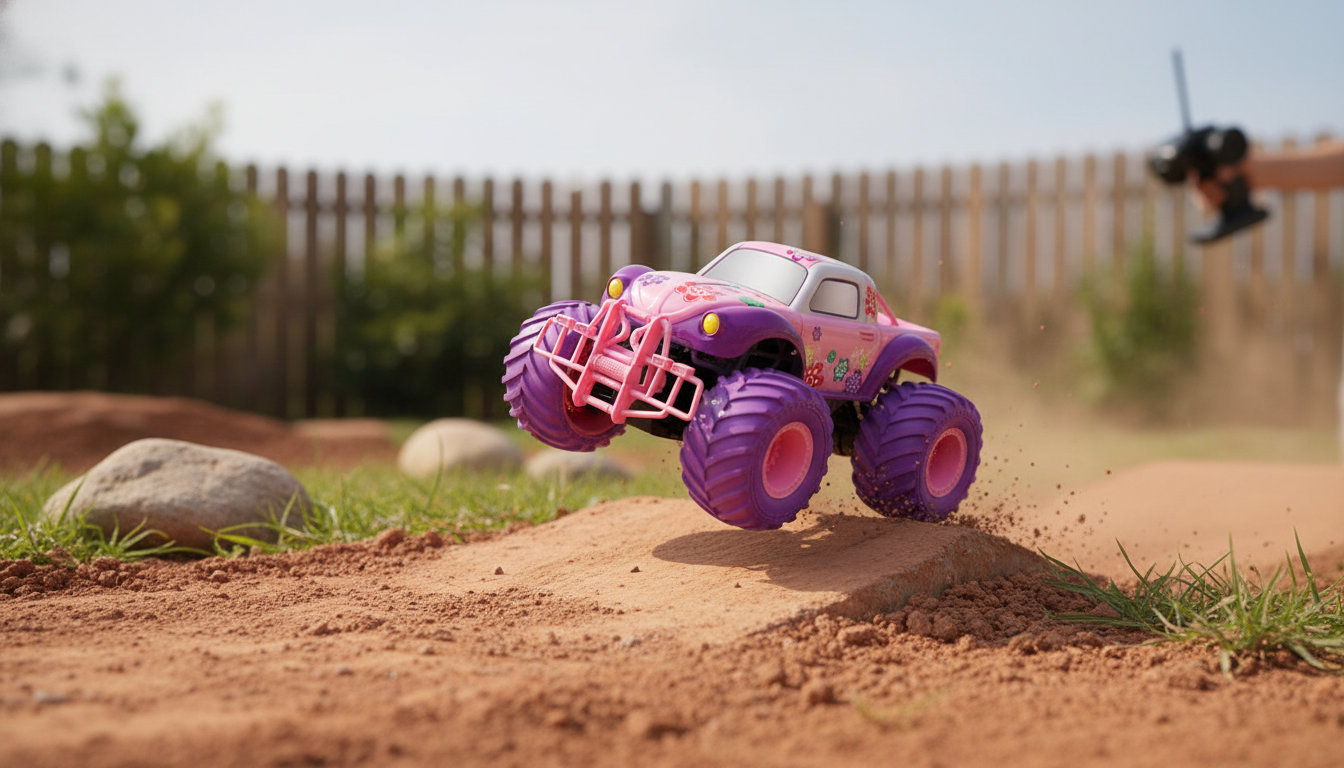
4WD Off‑Road RC Car for Kids: High‑Speed Fun with Climbing Power
A 4WD off‑road RC car turns a driveway, backyard, or park path into an instant adventure course. With four-wheel drive for traction, a high‑speed electric motor for excitement, and climbing capability for bumps and small obstacles, this style of remote-control car is built for kids who want more than smooth indoor cruising. The guide below covers what to look for, how to set it up for success, and how to keep playtime safe and frustration‑free.
Why 4WD Makes Off‑Road Play More Fun
Four-wheel drive changes how an RC car behaves the moment it leaves a slick floor. Instead of one axle doing all the work, all four wheels help pull the car forward—especially useful when the surface is unpredictable.
- Better traction on grass, gravel, packed dirt, and uneven pavement compared with basic 2WD cars.
- More control when starting from a stop on loose surfaces—less wheel spin and fewer stalls.
- Improved climbing and crawling over small rocks, roots, door thresholds, and DIY obstacle courses.
- More stable handling when turning on mixed terrain (one side on grass, one side on pavement).
- Great for shared play: kids can take turns building ramps and testing which route the car can conquer.
Key Features That Matter for Kids
Specs can sound impressive, but kid-friendly performance comes down to a few practical details that reduce “stuck,” “flipped,” and “it won’t go” moments.
- Speed that matches the child: faster cars are thrilling but can be harder for beginners to steer; responsive controls and predictable acceleration help.
- Climbing ability: higher ground clearance and grippy tires help the car get over small ledges without getting stuck.
- Durability: a sturdy body shell and resilient bumpers reduce damage from inevitable curb taps and rollovers.
- Tire tread: deeper tread performs better on dirt and grass; smoother tread is better for indoor floors.
- Control range and steering feel: a steady connection and smooth left/right response reduce frustration.
- Battery type and run time: rechargeable batteries are convenient; keep expectations realistic and plan quick “pit stops.”
Quick checklist for choosing a kid‑friendly off‑road RC car
| Feature | Why it helps | What to look for |
|---|---|---|
| 4WD drivetrain | Helps the car keep moving on loose or uneven ground | Consistent pull from all wheels, stable acceleration |
| Climbing/clearance | Reduces stuck moments on bumps and small obstacles | Higher chassis, flexible suspension, grippy tires |
| Kid‑friendly handling | Makes learning easier and prevents constant spinouts | Predictable throttle, responsive steering |
| Impact resistance | Less worry about crashes during skill-building | Sturdy shell, reinforced corners, strong wheels |
| Power system | Determines speed, run time, and convenience | Rechargeable battery, easy access battery compartment |
What to Expect from High‑Speed Off‑Road Driving
High speed outdoors feels different than high speed indoors. Terrain constantly nudges the car off its line, and that’s part of the fun—when there’s enough space to drive safely.
- High speed feels faster off-road: bumps and terrain changes amplify the sensation compared with smooth indoor floors.
- Turning at speed requires space: set up wide lanes or a clear area to reduce tip-overs.
- Short grass can slow a car more than expected; packed dirt or pavement usually delivers the fastest runs.
- Small jumps are fun, but repeated big drops can strain wheels and suspension—use gentle ramps for longer-lasting play.
- Skill progression happens quickly: most kids improve dramatically after a few battery cycles with simple practice drills (stop/turn/go, figure eights, controlled braking).
Simple Backyard Obstacle Course Ideas
A course makes “driving around” feel like a game with levels. Keep the early challenges easy so kids can succeed, then gradually add complexity.
Setup Tips for Smoother First Runs
Safety and Age-Appropriate Play
Off-road RC cars are active toys, and the safest sessions are the ones with clear boundaries and consistent habits. For additional guidance and product safety updates, it’s helpful to review resources from the American Academy of Pediatrics and check the U.S. Consumer Product Safety Commission recall database.
Care, Cleaning, and Storage
A Ready-to-Go Option for Off‑Road Play
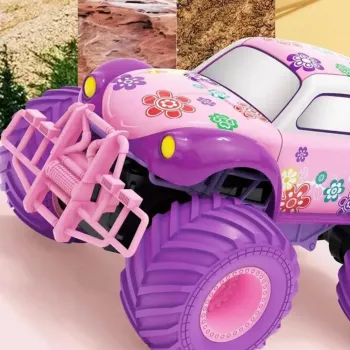
- 4WD Off-Road RC Car for Kids – High Speed, Climbing, Electric Remote Control (great for backyard terrain, curb edges, and DIY ramps)
- Using AI to Organize Kids’ Schedule | Digital Guide for Parents on How to Use AI to Organize Family Schedule (helpful for planning “battery rotations,” outdoor play blocks, and screen-free routines)
- Creative Hollow Star Desk Organizer – Pen & Brush Holder for Office or Study (a simple way to keep small tools and charging cables together for quick pit stops)
FAQ
Is a high-speed RC car safe for younger kids?
It can be safer with supervision, a wide open driving area, and simple rules like stopping the car when someone steps into the lane. Start with slow practice habits, keep it away from roads/stairs/water, and remind kids to keep fingers clear of spinning wheels.
What surfaces work best for an off-road RC car?
Pavement is best for learning steering and getting the fastest, most consistent runs, while packed dirt adds an off-road feel without bogging down as much. Short grass is a moderate challenge, and loose gravel or sand can reduce traction and may kick up debris.
How can the battery last longer over time?
Fully charge before use, let the battery cool between runs, and avoid storing the car or battery in hot places like a parked car. Keeping contacts clean and storing everything dry and protected also helps maintain consistent runtime.








Leave a comment