Calm an Anxious Child: Quick Resets and Daily Routines
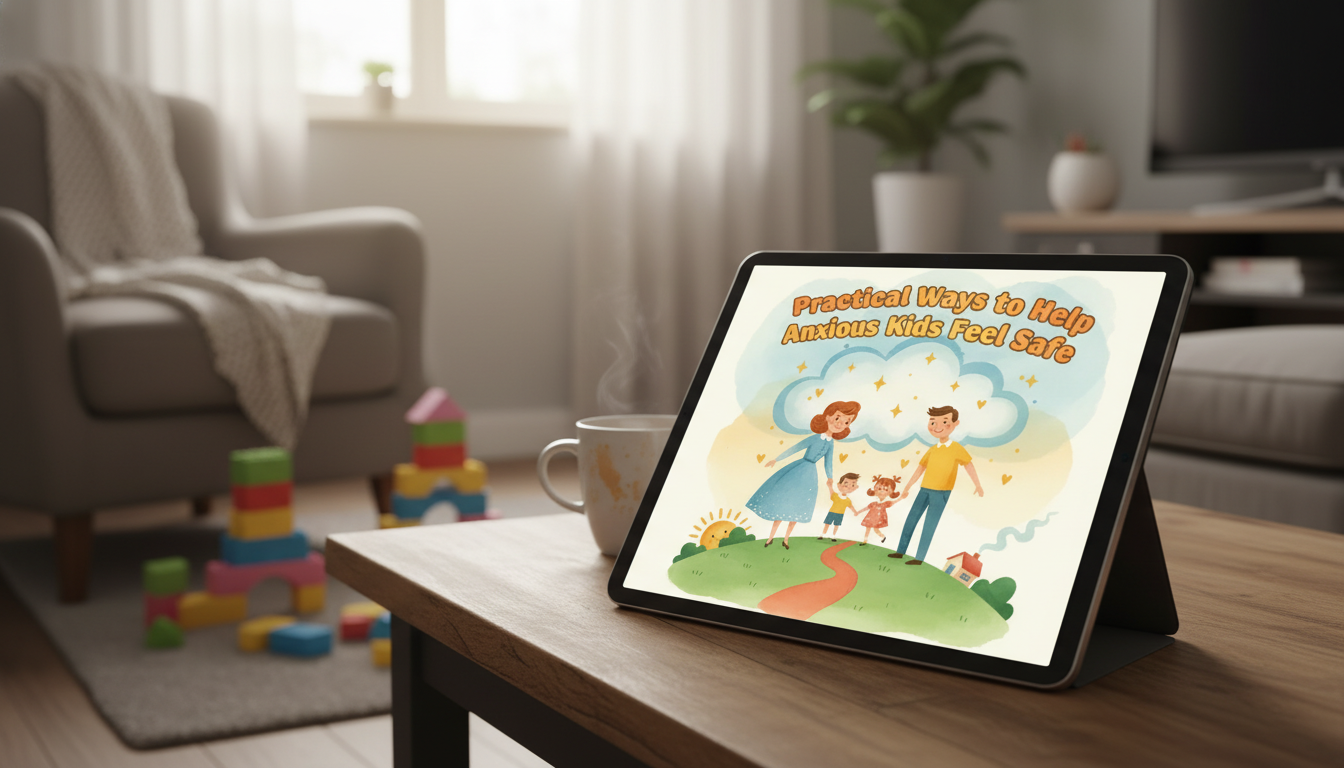
Best Ways to Calm Anxious Children: Gentle Techniques, Mindful Routines, and Practical Coping Strategies
Childhood anxiety can show up as big feelings, busy bodies, and worried thoughts—often at the exact moments a child most needs steady support. The goal isn’t to erase all worry; it’s to help children feel safe, understood, and capable. Use the techniques below as a flexible toolkit: start with quick body-calming tools in the moment, then build routines and skills that reduce anxiety over time.
How anxiety shows up in children (and why it can look like misbehavior)
Anxiety is often easier to spot in a child’s body and behavior than in their words. Common signs include stomachaches, headaches, clinginess, irritability, perfectionism, sleep trouble, reassurance-seeking, avoidance, or frequent tears. Some kids become “bossy” or controlling because uncertainty feels unbearable.
Younger children may look defiant when they’re actually overwhelmed: tantrums, “not listening,” refusal, or sudden regression (accidents, baby talk, needing extra help). When the nervous system is stuck in fight/flight/freeze, thinking and cooperation drop.
A helpful body-first approach: treat anxiety as a nervous-system state. If you can calm the body, problem-solving becomes possible again. Also watch patterns—time of day, transitions (school drop-off, bedtime), sensory overload, hunger, and social demands can all amplify worry.
For more background on children’s anxiety and what it can look like, reputable starting points include CDC—Children’s Mental Health and the AACAP resource center.
Fast ways to calm an anxious moment (2–5 minute resets)
When anxiety spikes, aim for “small and doable.” Long lectures and big plans often backfire in the moment. Try one of these quick resets, then revisit the situation once your child’s body looks more settled.
1) Grounding with senses
Use the environment to help the brain reorient to the present. Ask your child to name: 5 things they see, 4 they feel, 3 they hear, 2 they smell, 1 they taste. For younger kids, simplify: “Show me 3 blue things,” or “Tell me 2 sounds you hear.”
2) Breathing that feels doable
Skip complicated instructions. Try: “Smell the flower, blow the candle,” or “bubble breaths” (slow exhale like blowing a bubble). Keep it playful and brief; the long exhale is the calming part.
3) Muscle reset
Do a quick squeeze-and-release: “Squeeze your hands into lemons… now drop them.” Repeat with shoulders, toes, or a whole-body “tight like a robot / loose like spaghetti.” This helps kids notice tension and let it go.
4) Co-regulation language
5) Containment for racing thoughts
| Age range | What to try | When it helps | Notes |
|---|---|---|---|
| 3–5 | Smell/blow breaths + plush squeeze | Meltdowns, separation moments | Keep instructions to 1 step at a time |
| 6–8 | 5-4-3-2-1 senses + “robot/spaghetti” | School nerves, social worries | Model first; let the child copy |
| 9–12 | Box breathing + “worry box” | Racing thoughts, bedtime worries | Pair with a short plan for the next step |
| Teens | Long exhale breathing + grounding with cold water | Panic sensations, overwhelm | Offer choices; avoid lectures in the moment |
Mindful routines that lower anxiety over time
If scheduling is a daily stressor, a structured planning system can reduce last-minute surprises. Using AI to Organize Kids’ Schedule | Digital Guide for Parents on How to Use AI to Organize Family Schedule offers a practical way to build calmer rhythms across school days, activities, and bedtime.
What to say (and what to avoid) when your child is anxious
Gentle coping strategies for common triggers (school, separation, bedtime, social worries)
School stress
Separation anxiety
Bedtime worries
Social worries
Breaking the avoidance loop
Avoidance makes anxiety stronger over time. Break tasks into tiny steps and praise effort (not outcome): “You did the first step even though you were nervous.” If you want a simple place to store coping cards, routine checklists, or “worry box” notes, Creative Hollow Star Desk Organizer – Pen & Brush Holder for Office or Study can keep tools visible and easy to grab.
When to seek extra support (and what help can look like)
Evidence-based options include cognitive behavioral therapy (CBT), parent coaching, exposure-based approaches, and family therapy when appropriate. Collaborate with your child’s school about counseling support, accommodations, and plans for transitions and testing. Keeping a simple log of triggers, body signs, and what helped can guide your pediatrician or therapist. The American Psychological Association’s anxiety overview is another credible reference for understanding anxiety responses.
A ready-to-use guide for parents and caregivers
Best Ways to Calm Anxious Children | Digital Guide for Parents & Caregivers | Gentle Techniques, Mindful Routines & Practical Coping Strategies is designed to support caregivers with step-by-step calming plans, age-appropriate scripts, and troubleshooting for common triggers. Consistency matters more than perfection: start with one quick calm tool and one routine, then expand as your child gains confidence.
FAQ
What is the fastest way to calm an anxious child right now?
Start with co-regulation: stay close, keep your voice steady, and validate with a short phrase. Then use one simple body tool—slow exhale breathing, squeeze-and-release muscles, or a quick senses grounding exercise—kept brief and age-appropriate.
How can a parent tell the difference between anxiety and defiance?
Anxiety-driven behavior often shows up as avoidance, irritability, shutdowns, or constant reassurance-seeking, especially around transitions or performance. Look for fear-based language and body cues (tense posture, stomachaches, tears), then respond with calming support plus clear, simple boundaries.
When should a child see a therapist for anxiety?
Consider therapy when anxiety persists for weeks to months, disrupts sleep or school, leads to frequent physical complaints, or causes escalating avoidance and constant reassurance-seeking. Seek urgent help for safety concerns like self-harm thoughts or severe panic; CBT and parent-focused approaches are common evidence-based options.









Leave a comment